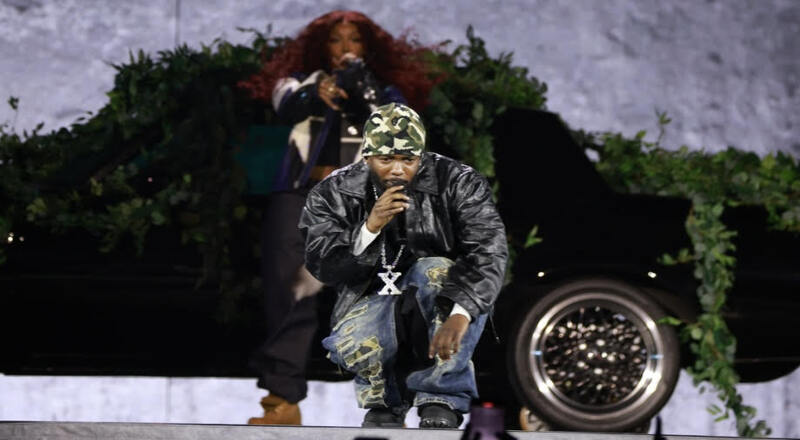
Kendrick Lamar Wins AMA For Best Male Hip-Hop Artist
Kendrick Lamar has officially been named Best Male Hip-Hop Artist at the American Music Awards, marking another major moment in a career stretch that has kept him at the center of global hip-hop conversation. The win reflects a year defined by high-impact releases, record-setting performances, and cultural moments that extended far beyond music streaming charts.
This award adds to a run that includes his GNX album, the viral dominance of “Not Like Us,” his co-headlining Grand National Tour with SZA, and a headline-grabbing Super Bowl Halftime Show performance alongside SZA. Together, these achievements helped solidify Kendrick’s presence not just as an artist, but as one of the most influential figures in modern music.
The American Music Awards honor is also part of a broader narrative in hip-hop where long-term artistry, commercial success, and cultural impact are increasingly intertwined. Kendrick’s latest recognition fits into that evolving standard.
Kendrick Lamar’s AMA Win and What It Represents
Winning Best Male Hip-Hop Artist at the American Music Awards is more than a trophy moment. It signals continued relevance in a highly competitive field where new artists emerge constantly and trends shift quickly.
For Kendrick Lamar, this win reinforces his consistency. He is not relying on nostalgia or legacy status. Instead, he continues to release music and deliver performances that dominate conversations across streaming platforms, social media, and live events.
His recognition at the AMAs highlights three key areas that defined his recent year. First is his recorded output through GNX. Second is his live performance impact, especially the Grand National Tour with SZA. Third is his cultural reach, which peaked again during the Super Bowl Halftime Show.
Together, these elements show why his AMA win is being framed as part of a larger era of dominance rather than a single isolated achievement.
GNX Album Impact and Hip-Hop Momentum
Kendrick Lamar’s album GNX played a central role in maintaining his momentum leading into award season. The project continued his pattern of releasing music that blends lyrical depth with mainstream reach.
While many hip-hop albums compete primarily on streaming numbers, GNX also became a cultural reference point. Tracks from the project circulated heavily on social media platforms, with fans and critics analyzing its themes and production choices.
The album’s success also reinforced Kendrick’s ability to balance artistic experimentation with commercial viability. That balance is one of the reasons he continues to be recognized at major award shows like the AMAs.
In the broader hip-hop landscape, GNX contributed to ongoing conversations about lyrical rap versus trend-driven sounds. Kendrick’s approach remained rooted in storytelling and structured songwriting, which helped the project stand out in a crowded release cycle.
Not Like Us and Viral Cultural Dominance
The single “Not Like Us” became one of the defining songs of Kendrick Lamar’s recent era. It achieved viral status across multiple platforms and was widely discussed in music and pop culture circles.
The track’s impact went beyond streaming performance. It became a social media soundtrack, a sports arena anthem, and a recurring topic in entertainment media discussions. That level of crossover success is increasingly rare in modern hip-hop.
Its popularity also contributed to Kendrick’s visibility heading into major live performances and award considerations. Songs that dominate culture often influence award season momentum, and “Not Like Us” is a clear example of that pattern.
The track helped reinforce Kendrick’s position as an artist capable of shaping public conversation, not just participating in it.
Grand National Tour With SZA and Live Performance Power
Another major factor in Kendrick Lamar’s award-winning year was the Grand National Tour with SZA. The tour brought together two of the most influential artists in contemporary music and delivered high-demand performances across multiple cities.
The tour was notable for its production scale and audience engagement. Stadium and arena shows consistently drew large crowds, and setlists combined solo hits with collaborative moments between Kendrick and SZA.
Live performance remains a key metric for artist relevance, especially in hip-hop. The tour demonstrated that Kendrick’s influence extends far beyond recorded music. It also highlighted his ability to share the stage with other top-tier artists without losing individual impact.
SZA’s presence added additional momentum to the tour, expanding its appeal across R&B and hip-hop audiences. Their collaboration reinforced both artists’ cultural relevance during the same award cycle.
Super Bowl Halftime Show With SZA and Global Exposure
The Super Bowl Halftime Show featuring Kendrick Lamar and SZA was one of the most visible performances of the year. The event placed Kendrick in front of a massive global audience and added another milestone to his performance history.
Super Bowl halftime performances often define cultural moments, and Kendrick’s appearance followed that tradition. The show was widely discussed across media platforms and became a key reference point during award season coverage.
Performing alongside SZA added a collaborative dynamic that aligned with their tour partnership. The performance helped reinforce the connection between their shared musical era and their individual success stories.
For many artists, a Super Bowl performance represents peak visibility. For Kendrick Lamar, it became another layer in a year already defined by multiple high-impact appearances.
Why Kendrick Lamar Continues to Dominate Award Seasons
Kendrick Lamar’s AMA win is part of a broader pattern of sustained success. His career is defined by consistency across multiple formats, including studio albums, singles, live tours, and televised performances.
In hip-hop, longevity often depends on adaptability. Kendrick has managed to evolve without losing the core elements of his identity as a lyricist and storyteller. That balance allows him to remain relevant across different musical eras.
Award recognition like the AMAs typically reflects both commercial performance and cultural influence. Kendrick continues to score highly in both categories, which explains his continued presence in major award discussions.
His ability to remain central in conversations years after his debut reinforces his position in modern hip-hop history.
The Broader Impact on Hip-Hop
Kendrick Lamar’s success also reflects broader shifts in hip-hop culture. The genre now rewards artists who can operate across multiple spaces, including streaming platforms, live touring circuits, and global televised events.
His recent year shows how those elements connect. An album like GNX fuels streaming success. A viral track like “Not Like Us” drives cultural visibility. A tour with SZA expands live performance reach. A Super Bowl appearance elevates global recognition. The AMA award becomes a formal acknowledgment of all those combined achievements.
This multi-layered approach is increasingly common among top-tier artists, but Kendrick remains one of the most consistent examples of it at the highest level.
Final Thoughts on Kendrick Lamar’s AMA Win
Kendrick Lamar’s Best Male Hip-Hop Artist win at the American Music Awards reflects more than a single moment of recognition. It captures a full year of artistic output, cultural influence, and performance dominance.
From GNX to “Not Like Us,” from the Grand National Tour with SZA to the Super Bowl Halftime Show, each element contributed to a broader narrative of sustained impact.
The AMA win serves as a summary of that period. It highlights how Kendrick continues to shape hip-hop while maintaining relevance across multiple platforms and audiences.
The post Kendrick Lamar wins Best Male Hip-Hop Artist award at American Music Awards appeared first on Hip Hop Vibe.
source https://hip-hopvibe.com/news/kendrick-lamar-wins-best-male-hip-hop-artist-award-at-american-music-awards/
Comments
Post a Comment